For as long as I can remember, my weight fluctuated. No matter how hard I worked out or how little I ate, nothing seemed to stick. It wasn’t until college, while studying to become an ultrasound technician, that I finally started getting answers. One day, while practicing ovarian scans on each other in class, we discovered that my ovaries were covered in cysts. That moment sparked a deep dive into my health — and ultimately led to my PCOS diagnosis.
At first, it felt like relief. A name for what I was experiencing. But what came after was frustrating: a sea of vague advice, misinformation, and the same outdated messaging — “just lose weight,” “eat less,” “do more cardio.” If you’re a woman with PCOS, you’ve probably heard this too. But here’s the truth: understanding your body, your hormones, and your stress levels is what actually moves the needle.
This journey started when I was 21. Now at 31, I don’t have any of the symptoms I struggled with for years — all because I stopped fighting my body and started listening to it.
What is PCOS? 💡
Polycystic Ovary Syndrome (PCOS) is a hormonal disorder that affects 1 in 10 women of reproductive age. It can impact:
- Your menstrual cycle 🩸
- Ovulation and fertility 🤰
- Skin and hair 💇♀️
- Weight regulation ⚖️
- Mood and energy levels ⚡
PCOS is often associated with insulin resistance, elevated androgens, and (as I learned) elevated cortisol levels — aka, your stress hormone.
Cortisol and PCOS: The Missing Link 🧠
Most people don’t talk about cortisol, but for me, it was a game-changer. Cortisol is your body’s main stress hormone. When it’s elevated for long periods (hello chronic stress, overtraining, under-eating), it can throw your entire hormonal system out of balance.
Women with PCOS are already sensitive to hormonal shifts, and high cortisol can:
- Spike blood sugar and worsen insulin resistance
- Disrupt sleep and recovery 💤
- Increase abdominal fat
- Worsen mood swings and anxiety 😩
Realizing this helped me understand why more cardio and less food wasn’t working. I was stressing my body out even more.
What Actually Helped Me Feel Better 💪
1. Lifting Weights Over Endless Cardio
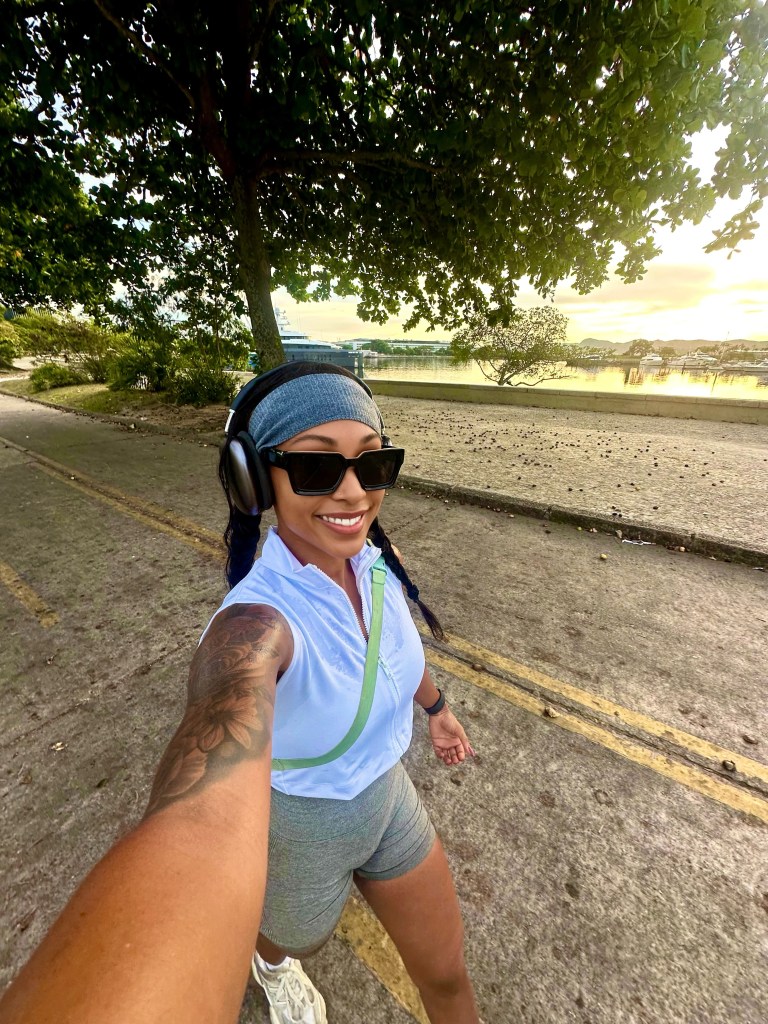
Here are some of my go-to workouts that actually worked for my body — especially with PCOS:
- Weighted compound lifts (squats, deadlifts, hip thrusts)
These are the foundation. They help build lean muscle, boost your metabolism, and support hormone balance over time. - Moderate-intensity circuits (3–4 rounds of strength-based movements)
Think lunges, rows, presses — nothing too crazy, but enough to get your blood flowing + muscles fired up without burning out your system. - StairMaster sessions (yes, I’m obsessed 🙋♀️)
It’s low-impact, gets your heart rate up, and doesn’t spike cortisol like long, high-intensity cardio can. Plus, you’ll feel your legs getting stronger every week! - Walking + light stretching on rest days 🚶♀️🧘♀️
These are the secret sauce. Walking helps regulate blood sugar + manage stress, while stretching keeps your nervous system chill + your body feeling good.
✨ My biggest shift? I stopped chasing sweat and soreness and started training smarter. Some days I lift heavy, other days I just go for a walk and drink water — and both are part of the plan.
2. Eating Enough (and Eating Well) 🍽️
I ditched the constant calorie deficit mindset and focused on nourishing my body. Here are some do’s and don’ts that worked for me:
Do:
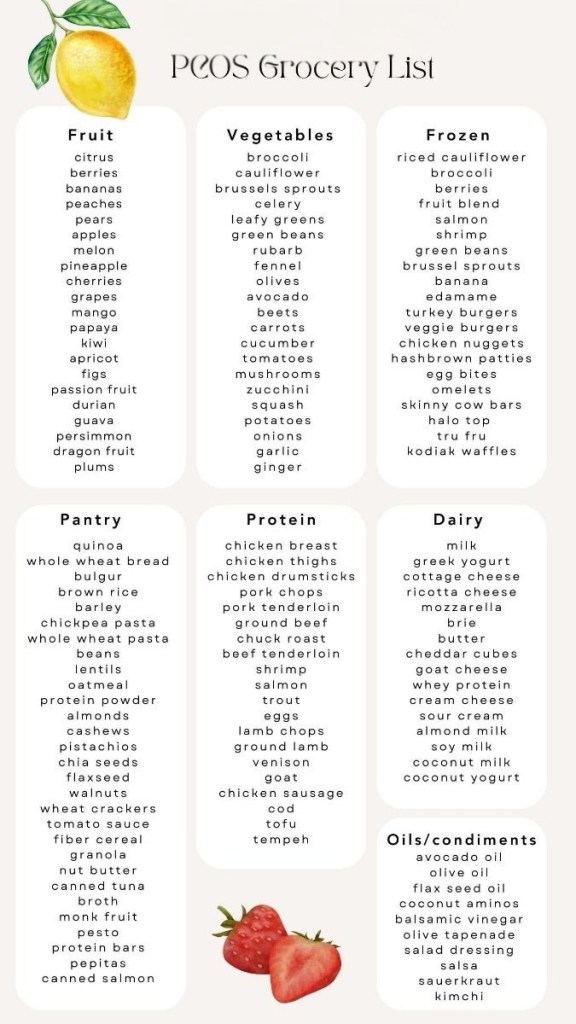
- Start your day with protein and fiber, not caffeine
- Eat balanced meals with protein, healthy fats, and slow-digesting carbs
- Snack on things like Greek yogurt, eggs, chia pudding, or a smoothie with greens and protein 🥚🥑🍓
- Drink water before meals and aim to stay hydrated 💧
Don’t:
- Wake up and have coffee on an empty stomach (spikes cortisol!) ☕⚠️
- Skip meals or drastically cut calories
- Rely on low-fat, high-sugar packaged foods
- Overeat processed carbs at night — they mess with sleep and blood sugar
Eating enough and fueling my body like it deserved made a massive difference. I felt full, focused, and way less inflamed.
3. Prioritizing Recovery & Stress Management 😌
I started going to bed earlier, meditating (even just 5 minutes), and saying no to things that overwhelmed me. Lowering stress helped lower cortisol — and that helped regulate everything else.
Also? I stopped glorifying being busy. I realized rest is productive, and not every day has to be a high-output day.
Why This Matters for Women with PCOS ✨
If you have PCOS, your body isn’t broken. But it is sensitive. And it needs to be supported in the right way. The old-school advice of “eat less, move more” can actually backfire and make symptoms worse.
Here’s what I want you to know:
- You don’t have to starve yourself to see results 🍓
- Cardio isn’t the only (or best) answer
- Lifting weights is your friend 🏋️♀️
- Managing stress is just as important as diet
- Feeling better is 100% possible — with the right strategy
Final Thoughts 🫶
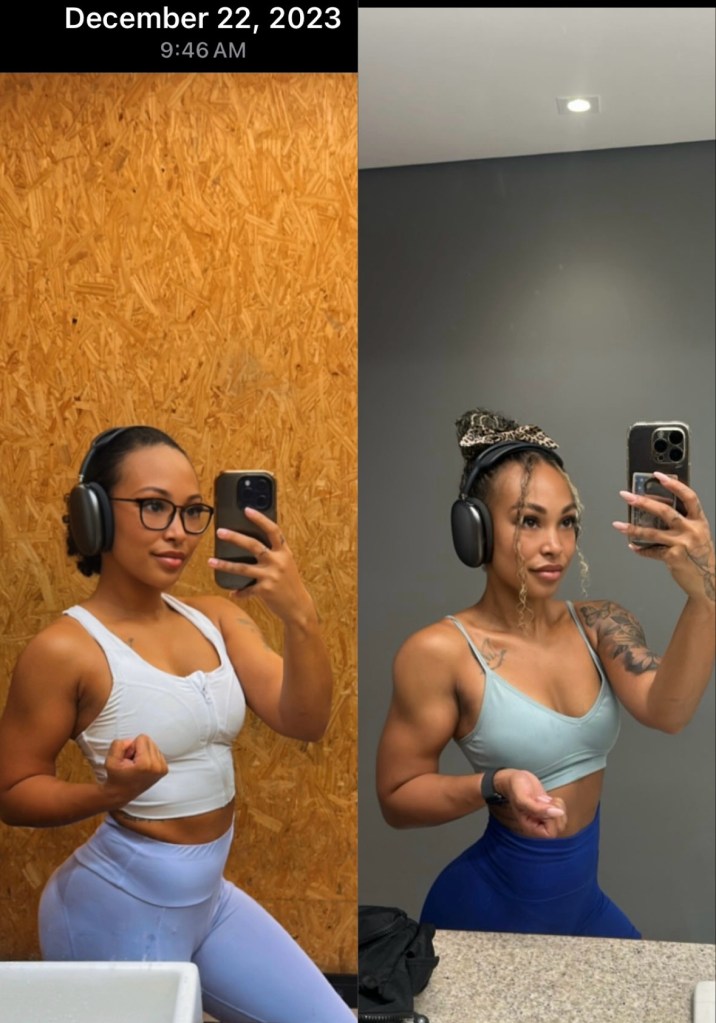
Understanding my PCOS didn’t just give me a diagnosis — it gave me a roadmap. Once I learned how to work with my body instead of against it, everything started to change. I felt stronger, calmer, and finally in control of my health again.
This journey began when I was 21. At 31, I don’t deal with the irregular periods, bloating, fatigue, or constant weight gain I used to. It took time, trial, and a LOT of grace with myself, but now I feel like me again — only stronger.
If you’re navigating PCOS, know that you’re not alone. And know that with education, support, and consistency, you can absolutely feel like yourself again.
More strength. Less stress. Smarter strategy. You got this. ✨
💬 Ready to Take Control of Your Health?
If this spoke to you and you’re tired of one-size-fits-all advice, I’d love to help you take the next step.
I offer 1-on-1 online fitness & nutrition coaching designed specifically for women navigating PCOS, hormonal imbalances, and overall lifestyle transformation.
👉 DM me on Instagram @gabr.iellejoy or click here to apply to start your custom plan.
Let’s get you strong, confident, and feeling like YOU again. 🫶💪

 GabrielleBeamesderfer
Leave a comment